
When Loyalty Ends, Accountability Begins
by Gabriela Silang
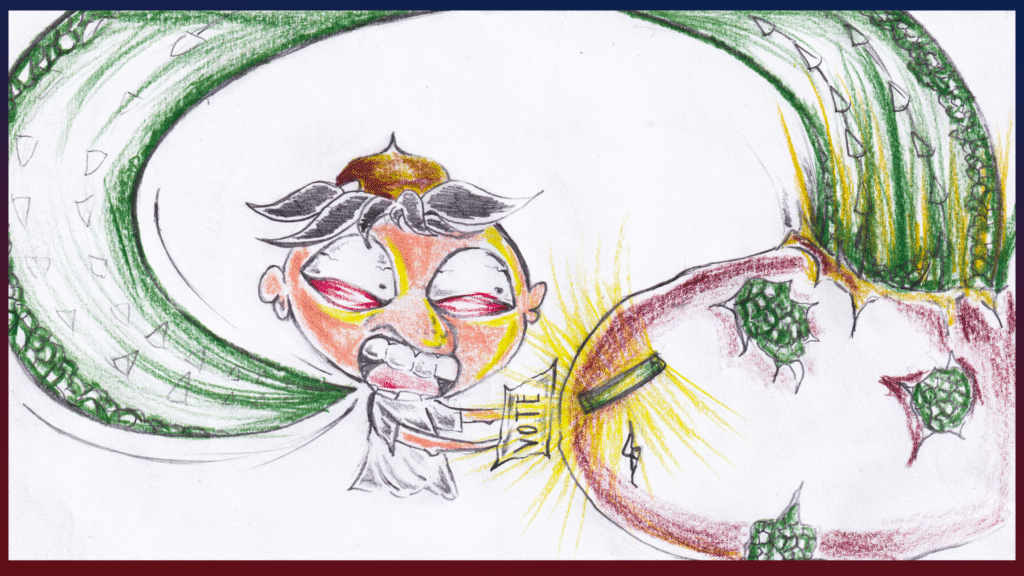
In a political landscape where memory is long and irony is quick to pounce, the sight of hundreds of thousands of Iglesia ni Cristo (INC) members rallying for “Transparency and Better Democracy” has stirred both applause and raised eyebrows—reminding the nation that even those who once crowned the kings of politics can still demand accountability from the throne.
For three days, from November 16 to 18, the Quirino Grandstand transformed into a sea of INC members—an estimated 650,000 participants according to the Manila Police District—gathered to call for more transparency in government. With almost 5,000 personnel from the PNP and other agencies assisting, the event was framed by INC spokesperson Romulo Feliciano III as a voluntary, morality-driven stand against alleged irregularities in public projects, including flood control efforts. “Hindi ito pamumulitika,” he emphasized. “Ito ay isang moral na panawagan ng mga ordinaryong mamamayan.” He even acknowledged the inconvenience caused by the large assembly, apologizing for the traffic and clarifying that no one had been paid to attend: “Kusang-loob namin ’to.”
But while the INC’s message was clear, the public’s reaction was far more complex. Many Filipinos found themselves raising a skeptical eyebrow at the group’s sudden fervor for accountability. For years, the INC has been known for bloc voting—publicly backing political figures who later found themselves embroiled in corruption scandals, including those from the Marcos-Duterte camp. And so the criticism came swiftly: How does a group that once endorsed these leaders now stand in protest against the consequences of their governance? Social media was flooded with comments pointing out the apparent contradiction, with some calling it irony and others calling it hypocrisy.
Yet beneath the snark and the side-eyes lies an important truth often forgotten in moments like this: there is no expiration date on a citizen’s right to demand accountability. Past political endorsements do not disqualify any group—religious or otherwise—from calling out wrongdoing in the present. In fact, the willingness to confront the failures of leaders one previously supported can reflect civic maturity, not inconsistency.
This rally, then, becomes more than a protest; it becomes a mirror held up to the entire nation. It urges us to rethink the way we define political responsibility. Are we to believe that only those who have never made a questionable endorsement are entitled to demand better governance? Or is it possible that a democracy functions best when everyone—even those with complicated political histories—feels empowered to call for transparency, justice, and fairness?
The real enemy here is not the INC rallying at the Grandstand, nor the critics pointing out contradictions. The real enemy is systemic corruption that affects every Filipino regardless of denomination, background, or political leaning. If INC members can shift from silent endorsement to vocal demand for reform, then perhaps the rest of the nation can learn something from that shift. Accountability should be everyone’s battle cry, not a selective privilege.
In the end, it is easy to mock contradictions; it is harder to confront corruption. Right now, the Philippines doesn’t need more finger-pointin. It needs more people willing to stand up. Whether or not we agree with how the INC arrived at this moment, the fact remains: they chose to take that stand.
If 650,000 voices once aligned with power can now roar in the name of accountability, then maybe the rest of us can finally admit it too—the real fight was never against one another, but against the corruption we’ve all been living with for far too long.
When loyalty ends, accountability begins.
YOU MAY ALSO LIKE:
COLUMN
A Rally for “Transparency” with a Keynote of Hypocrisy: When Accountability Turns Into a Family Feud
by Gabriela Silang
COLUMN
Democracy Demands Your Own Mind
by Gabriela Silang