Democracy Demands Your Own Mind
by Gabriela Silang
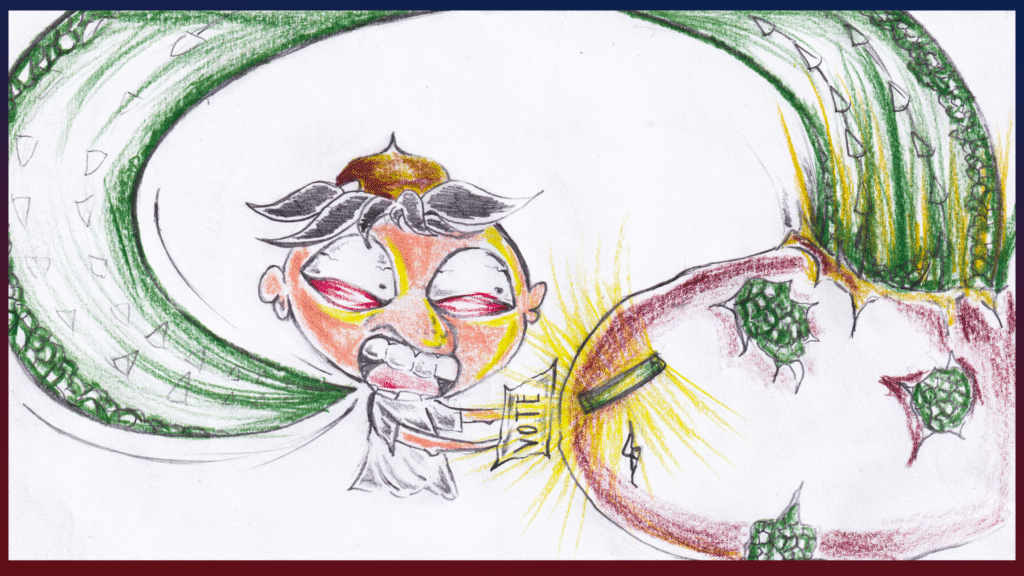
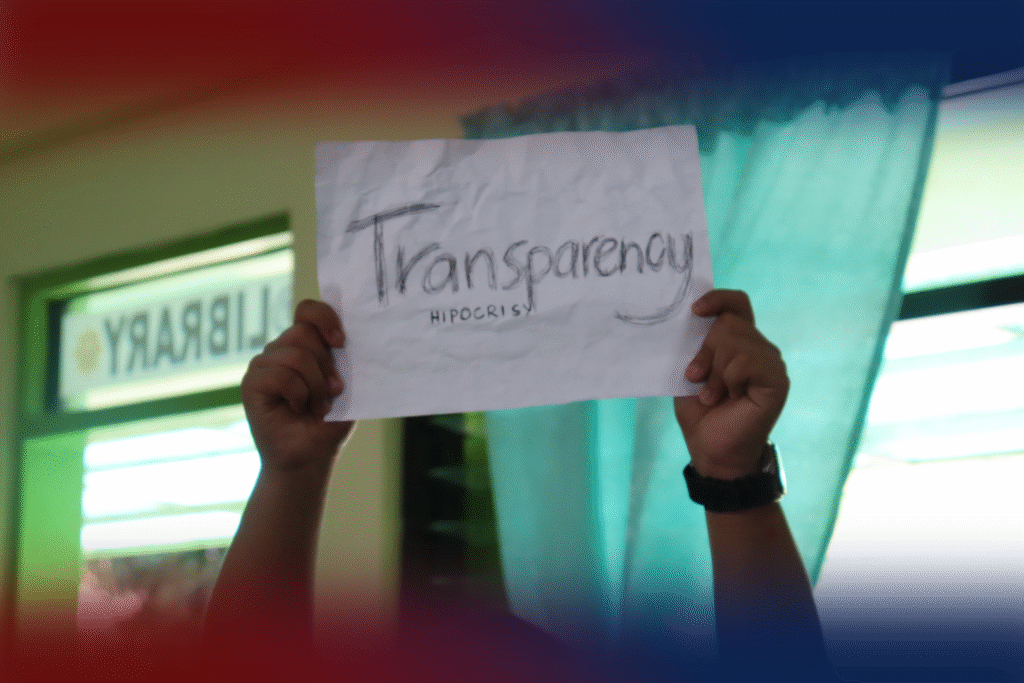
In a week when hundreds of thousands marched for “transparency and better democracy,” another truth emerged from the Quirino Grandstand: If you let anyone decide your politics for you—whether a family dynasty, a party machine, or even your own religious sect—you risk surrendering not just your vote, but your voice.
When 650,000 members of the Iglesia ni Cristo (INC) gathered for a three-day rally in Manila, the official message was clear: this was a voluntary call for accountability and moral governance. “Hindi ito pamumulitika,” spokesperson Romulo Feliciano III insisted, emphasizing that no money was offered and that members came of their own accord. The rally, backed by 5,000 personnel from various agencies, was positioned as a civic—not political—expression.
But context matters. This is the same religious bloc that, just a national election ago, instructed its members to vote as one. The same group whose endorsement was treated like a political golden ticket. And the same organization whose political unity was widely credited with shaping election outcomes—until it didn’t.
Because look where we are now.
At the very stage where INC members rallied for “better democracy,” Senator Imee Marcos took the microphone and accused her own brother, President Ferdinand Marcos Jr., of illegal drug use. Palace Press Officer Claire Castro dismissed the outburst as a “desperate move.” It was political theater at its rawest—sibling warfare splashed across a crowd seeking truth.
It begs a question: if your vote was dictated by any power beyond your own conscience, how does this spectacle feel now? Does it feel like the endorsement you followed was rooted in sound judgment? Or does it feel like you merely borrowed someone else’s political instincts—and ended up paying the price?
This isn’t about INC alone. This is about the dangerous comfort in surrendering one’s political agency. Whether it’s a religious bloc, a charismatic preacher, a powerful clan, or even a social media influencer—democracy cracks when we outsource our thinking.
Because democracy is not a monologue delivered from a pulpit, a dynasty, or a stage at the Grandstand. It is a conversation—messy, loud, and individual. And the moment we allow anyone to vote for us, we dilute our role in that conversation.
The INC rally may have been voluntary, noble, even inspiring for some. But it also stands as a reminder of last election’s silent truth: unity without autonomy is not democracy—it’s choreography.
As the drums of the next election begin to rumble, remember this: your vote is not a membership card. It is a signature of your own thinking. If you don’t hold the pen, someone else will write your future for you.