
A Rally for “Transparency” with a Keynote of Hypocrisy: When Accountability Turns Into a Family Feud
by Gabriela Silang
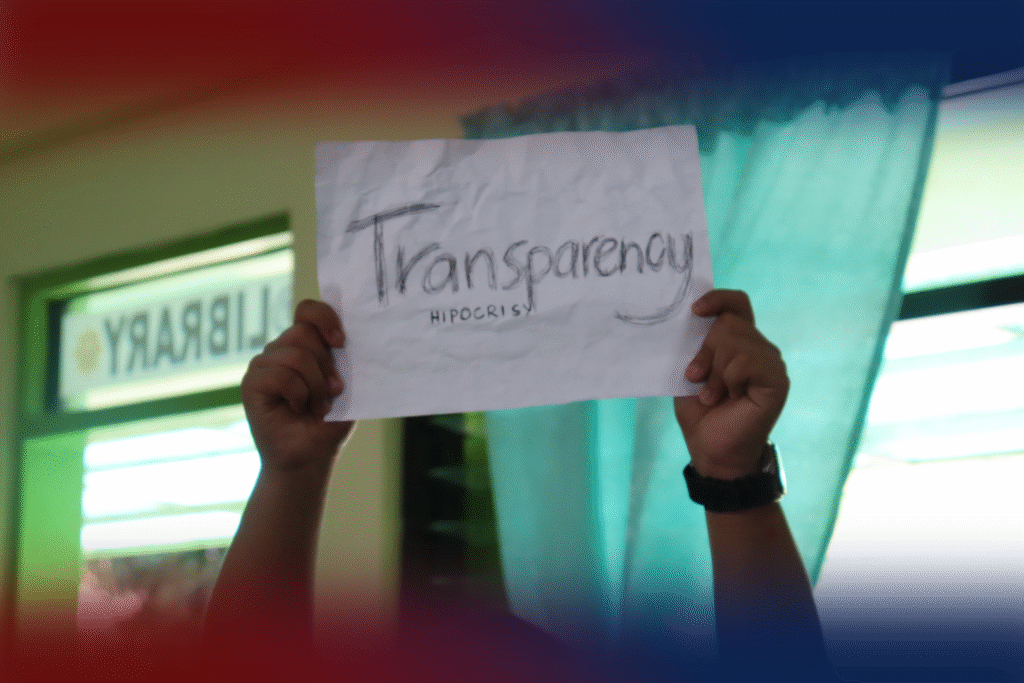
If the Iglesia ni Cristo’s three-day “Rally for Transparency and Better Democracy” was meant to be a moral call for accountability, then Senator Imee Marcos’ keynote speech—accusing her own brother, the sitting President, of illegal drug use—felt less like a push for reform and more like a live-action family soap opera accidentally booked onto a political stage.
The INC gathering at the Quirino Grandstand from November 16 to 18 had a clear, publicly announced purpose: demand transparency, denounce alleged irregularities in government projects, and emphasize moral accountability. With an estimated 650,000 attendees, and a spokesperson firmly stressing that the rally was “not political” but a “moral call,” the movement attempted to position itself as a civic awakening, not a partisan stunt. Members reportedly came voluntarily, without any P3,000 “attendance fee” rumors, and leaders even apologized for traffic disruptions—gestures that aimed to preserve the rally’s integrity.
But then came Day 2, and with it, an unexpected twist.
Senator Imee Marcos took the stage—not to amplify the INC’s central theme of institutional transparency, but to publicly accuse President Ferdinand “Bongbong” Marcos Jr., her own sibling, of illegal drug use. She invoked family history, referenced their father’s alleged testimony on her brother’s “ugali at gawain,” and delivered it all under the banner of a rally supposedly focused on corruption, governance, and national accountability—not personal vendettas or unverified familial accusations.
This is where the irony became impossible to ignore. How does a rally calling for clean governance and evidence-based accountability become a platform for airing unsubstantiated claims about the president’s alleged drug habits? More importantly: What does it say about the event’s sincerity when its biggest headline becomes a Marcos sibling feud rather than government transparency?
Palace Press Officer Claire Castro quickly responded, calling Imee’s allegations a “desperate move.” Whether or not one agrees, the optics are undeniable: a senator commandeering a citizens’ rally for transparency to launch a bombshell against her brother transforms the event from a moral appeal into a stage for political melodrama.
The INC spokesperson insisted the rally was not “pamumulitika.” But when your keynote speaker uses the microphone to accuse the president—her own family—of drug use, the question practically begs itself:
Transparency for whom, exactly? Accountability for what? And justice as defined by who?
Because if the rally’s purpose was truly moral clarity, then allowing a speech fueled by personal grievance rather than publicly verified facts muddies the message and damages the very integrity the event claimed to champion.
When INC was questioned over this controversy, they gave no comment and said people’s participation was voluntary. If INC organizers were able to prevent supporters of former president Rodrigo Duterte carrying “Marcos Resign” banners from joining the first day of the gathering, how come they weren’t able to make a single person deliver the right message?
In the end, the rally that called for honesty became a revealing mirror—not of government corruption, but of how political spectacle can hijack even the sincerest public appeals. And perhaps the clearest irony is this: when a march for transparency turns into a Marcos vs. Marcos showdown, the only thing truly exposed is the state of our politics.
YOU MAY ALSO LIKE:
EDITORIAL
When Loyalty Ends, Accountability Begins
by Gabriela Silang
COLUMN
Democracy Demands Your Own Mind
by Gabriela Silang